By Makezaa · Updated
Amazon–Decart Acquisition Talks: What a Reported $7 Billion Deal Could Mean
Amazon reportedly discussed a $7 billion Decart acquisition. Explore the unconfirmed deal, real-time AI and the questions developers should ask.
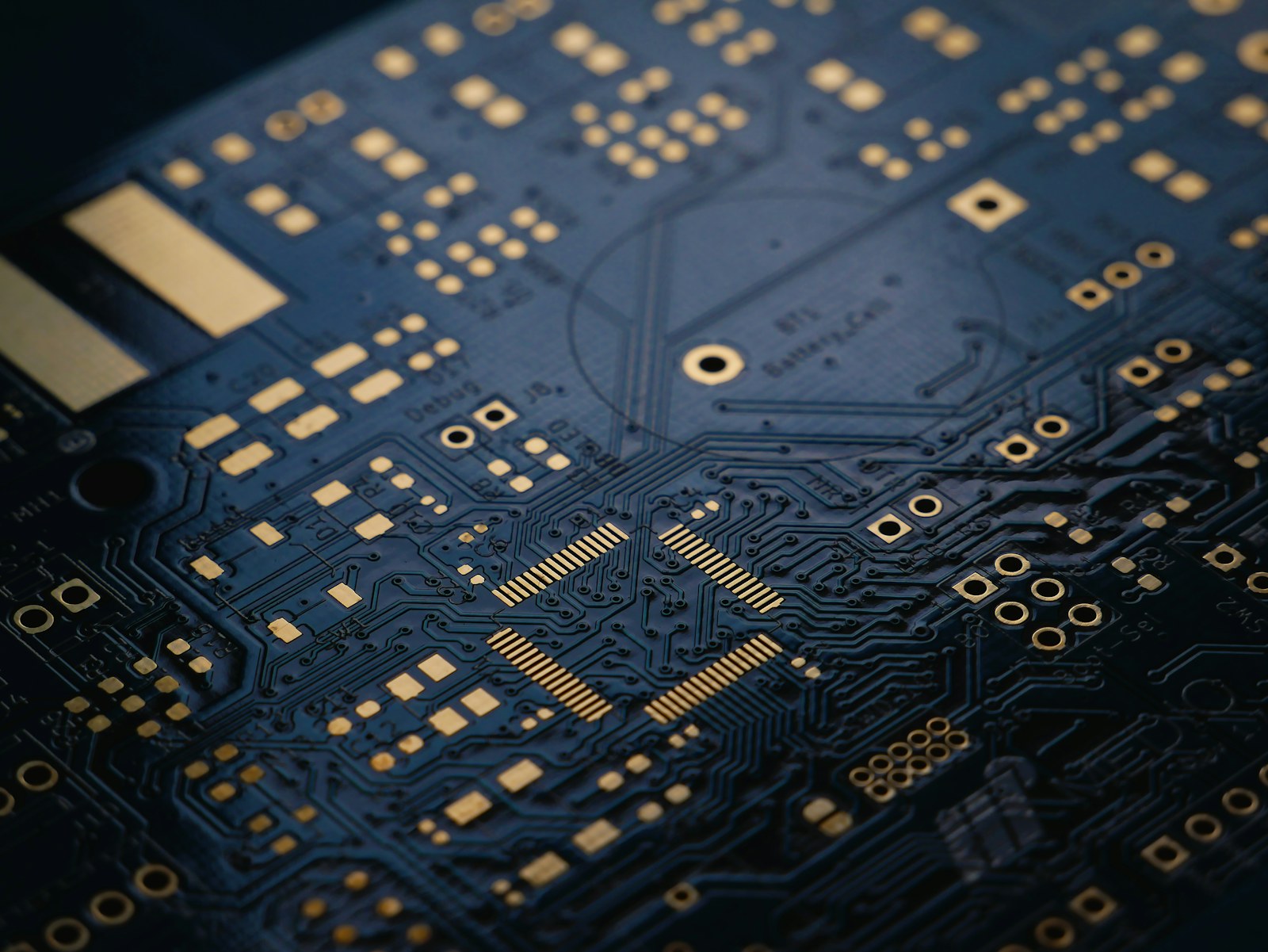
Illustrative circuit-board photograph; this is not Amazon or Decart hardware. Photo: Vishnu Mohanan / Unsplash, used under the Unsplash License.
News and analysis · October 12, 2026. Amazon is reportedly discussing an acquisition of AI startup Decart for about $7 billion. Reuters reported the talks on October 11, citing the Wall Street Journal and people familiar with the matter. Amazon declined to comment; Decart did not immediately respond. This remains a reported negotiation, not an announced acquisition.
For developers, the useful question is what capabilities such a transaction might bring together. A model that produces impressive output, software that runs it efficiently and a cloud service that delivers it reliably are three different things. The reported talks invite scrutiny of all three, without establishing how any future product would work.
What Decart says it builds
Decart's own product description presents its Decart Optimization Stack, or DOS, as infrastructure spanning NVIDIA processors, AWS Trainium and Google TPUs. The company describes Lucy as real-time video transformation and Oasis as interactive world generation. These are company descriptions, not independent performance tests. SiliconANGLE's October 11 coverage also highlights the infrastructure component of the reported discussions.
That distinction matters when assessing an AI business. A video demonstration shows what a system can produce under particular conditions. An infrastructure platform must also handle changing demand, failures, model upgrades and the cost of keeping capacity available. Technical value can sit in the execution layer as well as in model weights.
Why real-time inference changes the engineering problem
The following is Makezaa's technical analysis, not a disclosed Amazon integration plan. Consider a video application in which a user moves and expects the generated scene to respond. Delay accumulates across input capture, network transport, model execution and display. Improving one step helps, but it does not automatically make the complete interaction feel immediate.
An evaluation should therefore measure the whole session. Average response time can hide brief pauses that interrupt a live experience. A useful test would record the slowest responses, the consistency of output over time and what happens when many sessions start together. It should also specify resolution, frame rate, hardware and concurrency so another team can reproduce the result.
Cost deserves the same treatment. A low price per generated frame can become less attractive if the service reserves idle hardware or retries failed work. Developers should compare cost per successful session at the required quality, rather than treating a single benchmark number as an application budget.
Hardware portability needs evidence
A software layer that supports several accelerator families could give teams more deployment options. That is a potential benefit inferred from the company's positioning, not proof that every workload moves between chips without engineering effort.
For a realistic assessment, keep the model, input set and quality threshold fixed while changing the execution environment. Document numerical differences, memory limits and unsupported operations. A workload that fits comfortably on one platform may require a different partitioning strategy on another. Portability becomes useful when the application remains correct and its operational requirements are still met.
These questions also make procurement clearer. A service team needs to know whether it can export its model configuration, retain control over customer data and migrate an application if pricing or product availability changes. Acquisition headlines do not answer those contractual or technical questions.
What developers should watch next
The decisive next evidence would be a company announcement establishing transaction status, followed by concrete product documentation. Until then, there is no verified basis here for promising a launch date, a new AWS service, exclusive chip support or automatic access for existing customers.
Teams can prepare useful evaluation workloads now without redesigning systems around a possible deal. Choose one representative task, define acceptable output and latency, then preserve the measurements needed to compare future offerings. Makezaa's coverage of reported Nvidia–Reflection AI talks provides related context on distinguishing deal reporting from verified product capabilities.
The story to follow is whether reported corporate interest becomes a documented commitment—and whether any resulting technology proves useful under ordinary production conditions.
Sources and reporting dates
- Reuters: reported Amazon–Decart talks — October 11, 2026.
- SiliconANGLE: independent coverage of the reported talks — October 11, 2026.
- Decart: company product and infrastructure descriptions — checked October 12, 2026; not a new acquisition announcement.
More posts
Tabung Haji Restores Core Services; Three THiJARI Functions Remain Unavailable
Tabung Haji announced core-service recovery on October 12. Three THiJARI functions remain unavailable; read the timeline and limits of the update.
Daiichi Kosho Warns of Possible Exposure of 8.7 Million Records
Daiichi Kosho warns of possible exposure of 8.7 million records after vendor malware. Data theft remains unconfirmed; explore the timeline and risks.
Yandex Vladimir Data Center Shuts Down: Cloud Recovery Lessons
Yandex reported its Vladimir data center shut down on October 11. Explore confirmed facts, cloud availability limits and practical disaster recovery checks.