Back to blog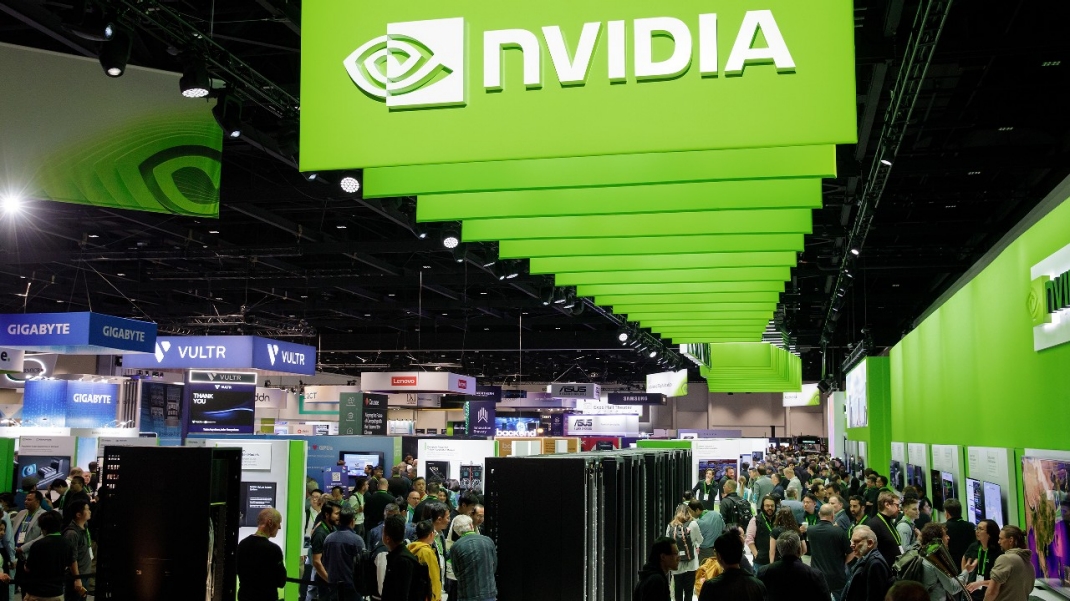
June 7, 2026
NVIDIA GTC 2026: AI Breakthroughs, Agentic Systems, and the Future of Physical AI
NVIDIA’s GTC 2026 unveiled major advances in AI infrastructure, agentic AI, robotics, and personal computing. Here’s what the latest announcements mean for developers, startups, and the next generation of technology.
NVIDIAAIGTC2026Agentic AIRoboticsTechnologyMakezaa
NVIDIA’s latest chapter in the AI race is no longer just about faster chips—it’s about **intelligent systems that act, decide, and collaborate**.
At GTC 2026 and GTC Taipei, CEO Jensen Huang walked through a full-stack vision: AI factories, agentic AI, physical AI for robots, and intelligent personal computing. The message was clear—NVIDIA wants to be the backbone of a world where AI isn’t just software, but an active participant in physical and digital tasks.
## Agentic AI Is the New Frontier
Agentic AI dominated the conversation. Unlike traditional AI tools that wait for commands, agents can plan, delegate, and adapt.
- **Open-source agent frameworks** are now being tuned for developer workflows.
- NVIDIA’s own stack aims to make deploying agentic systems on GPU clusters simpler than ever.
- New inference optimizations promise lower latency for real-time decision-making.
For AI startups, this means faster prototyping and lower infrastructure costs. For enterprises, it means smarter automation across operations, support, and product workflows.
## Physical AI and Robotics Move Forward
Physical AI took center stage with demonstrations showing how NVIDIA Isaac and Omniverse are changing robotics development. From humanoid robots to industrial automation, the emphasis was on **end-to-end systems**, not just isolated models.
Developers using these tools can now build:
- Realistic simulation environments for robots
- Sensor-fusion pipelines with GPU acceleration
- Workflows that bridge virtual training and real-world deployment
This is especially important for countries with growing robotics sectors, and it signals a long-term bet that AI will soon walk out of the cloud and into factories, warehouses, and homes.
## AI Factories: The Infrastructure Shift
The concept of an **AI factory** is gaining mainstream adoption. The idea is to standardize how hardware, cooling, networking, and software interact so that large model training becomes predictable rather than experimental.
NVIDIA’s updates suggest:
- Standardized rack architectures for GPU clusters
- Better networking between nodes to reduce training bottlenecks
- Open models optimized to run across different hardware configurations
This shift is attractive for organizations looking to scale AI without getting locked into a single vendor’s pipeline.
## Intelligent Personal Computing
The PC market is changing once again. NVIDIA’s new chip announcements indicate a move toward **AI-native personal computers**, where the device itself is optimized for local inference, agent assistance, and real-time translation—all while preserving privacy.
For users, this could mean:
- Smarter, context-aware assistants onboard their devices
- Faster AI workloads without cloud dependency
- New developer tools for building PC-level AI applications
## What Developers Should Do Now
The practical takeaway for devs:
1. **Learn agentic AI patterns**—they will dominate the next wave of SaaS.
2. **Explore NVIDIA’s open model ecosystem** for fine-tuning on your own stack.
3. **Watch the GTC on-demand sessions** for tutorials on robotics, CUDA, inference, and diffusion models.
4. **Consider edge AI** for next products if latency or privacy matters.
## The Bigger Picture
GTC 2026 wasn’t one product launch—it was a blueprint for the next decade of technology. From AI factories to personal AI, NVIDIA is pushing toward a future where intelligence is embedded everywhere.
If you’re building AI-driven products or modernizing your tech stack, following NVIDIA’s roadmap is no longer optional—it’s required.
---
*Want help building agent-first applications or integrating NVIDIA’s stack into your product? [Makezaa](https://www.makezaa.com) offers agent-first development for modern web and AI systems.*
More posts
Anthropic Urges AI Labs to Pause Advanced Development
Anthropic is calling for a global slowdown in advanced AI development over risks of recursive self-improvement.
Anthropic Moves Closer to IPO
Anthropic has confidentially filed for a U.S. IPO, marking a major milestone for the AI company.
DuckZen AI - Launching Agent-First Development
We are introducing DuckZen AI: calm, focused, execution-first delivery for websites and agents.